How Many Days After Your Period Can You Get Pregnant? (The Ultimate Ovulation Guide)
Introduction: For many women—whether they are newly married, planning a family, or simply practicing natural contraception—one question looms larger than any other: "Exactly how many days after my period can I get pregnant?"
Sometimes this question stems from anxiety (fear of an unplanned pregnancy), and other times it comes from hope (trying to conceive). The human body isn't a machine that operates on a strict schedule. Every woman's cycle, hormones, and physiology are unique.
However, medical science provides us with reliable methods to identify your "Fertile Window"—the specific days when conception is biologically possible. In this comprehensive guide, we will demystify ovulation, debunk the myths surrounding "safe days," and give you a clear, actionable timeline.
📖 Table of Contents
1. Understanding the Menstrual Cycle
To understand when you can get pregnant, you must first understand the architecture of your cycle. It is not just the days you are bleeding; it is a continuous hormonal loop.
How to Count:
Day 1 is the first day of full bleeding. The cycle ends on the day before your next period starts. While the "textbook" cycle is 28 days, anything from 21 to 35 days is considered medically normal.
2. The Science of Ovulation: The Key to Pregnancy
If you want a one-line answer to "When can I get pregnant?", the answer is: Around Ovulation.
What is Ovulation?
Once per cycle, your ovaries release a mature egg. This egg travels down the fallopian tube where it waits for sperm. Here is the critical medical fact:
⏳ The 24-Hour Rule
The egg survives for only 12 to 24 hours after release. If it is not fertilized by sperm within this short window, it disintegrates, and you will eventually get your period.
3. The Math: Calculating Your Most Fertile Days
You might be wondering: "If the egg only lives for 24 hours, why do doctors say there is a 6-day fertile window?"
The Sperm Factor:
While the egg is fragile, sperm are resilient. Sperm can survive inside the female reproductive tract for up to 5 days. This means if you have intercourse 4 days before ovulation, the sperm can wait there to fertilize the egg the moment it is released.
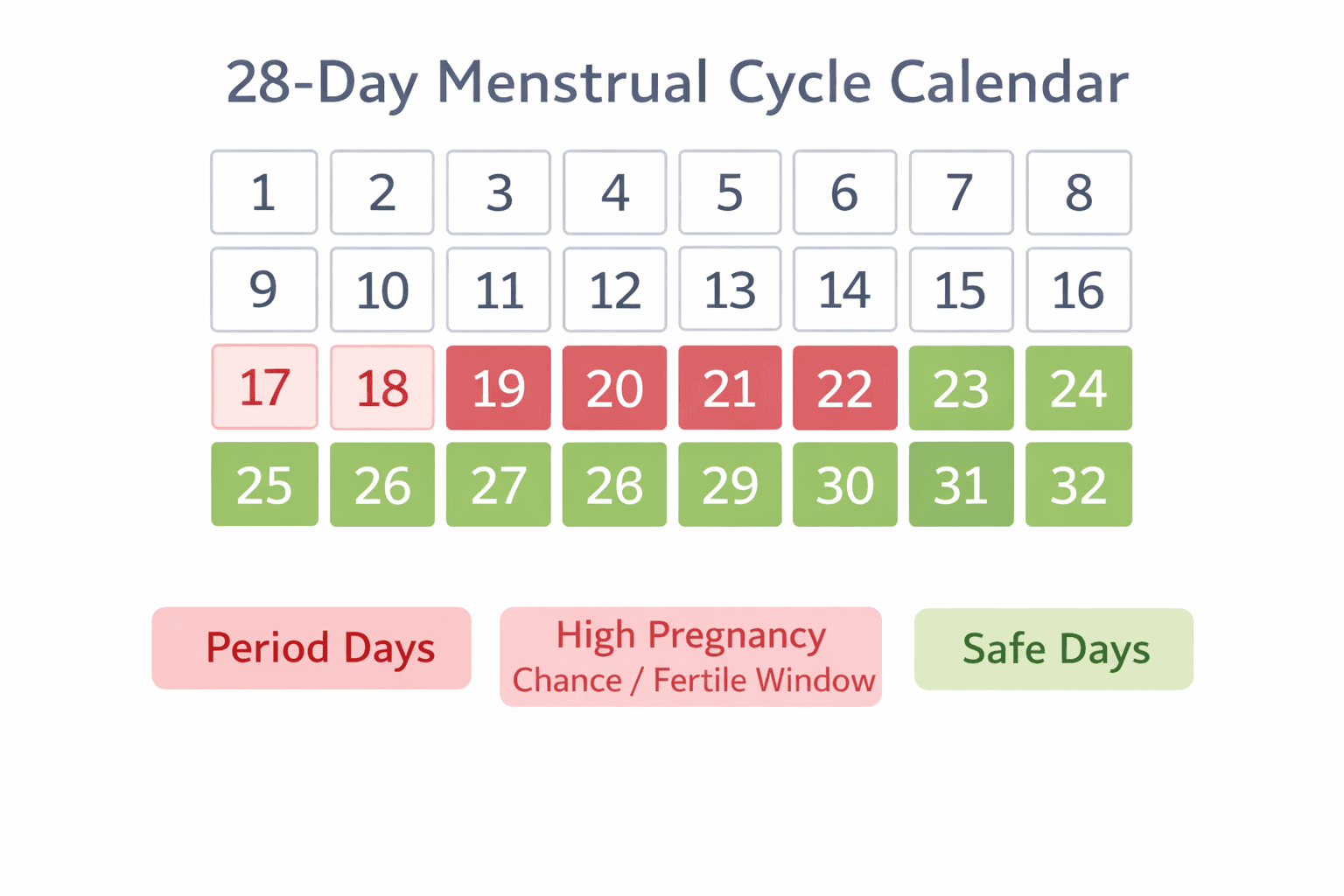
The 28-Day Cycle Timeline:
- Day 1–5 (Menstruation): Low chance of pregnancy (though not zero).
- Day 6–9 (Follicular Phase): The body prepares for ovulation. Chances begin to rise.
- Day 10–17 (THE FERTILE WINDOW): 🚨 This is the "High Risk" or "Golden Opportunity" zone.
- Ovulation typically occurs around Day 14.
- This is when the probability of conception peaks.
- Day 18–28 (Luteal Phase): The egg is gone. This is generally considered the "Safe Period."
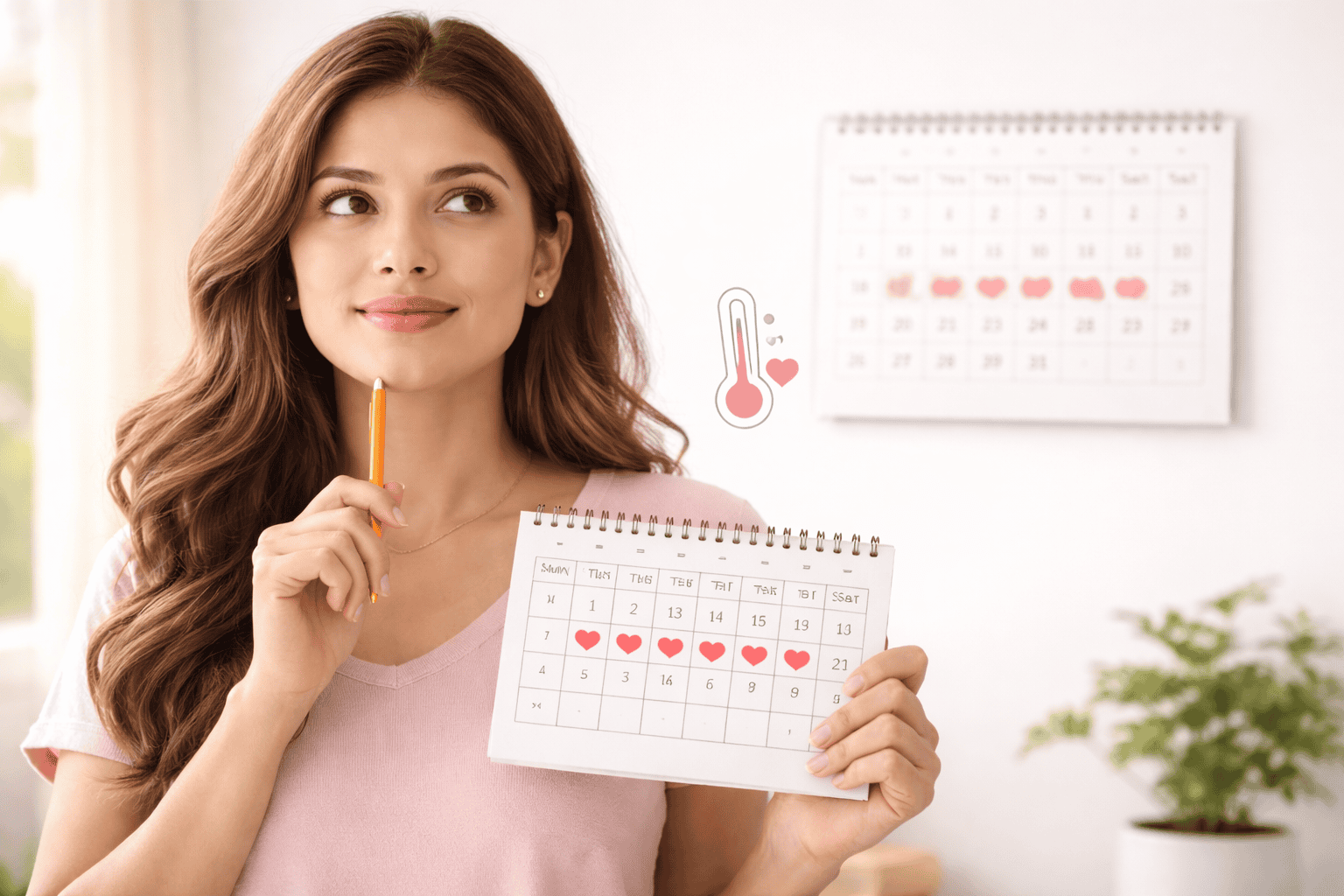
🌡️ Don't Guess, Be Sure.
Tracking ovulation by calendar alone can be inaccurate. Use a medical-grade Ovulation Test Kit to detect your LH surge 24 hours in advance.
4. Can You Get Pregnant Immediately After Your Period?
This is a common myth. Many women believe they are safe right after bleeding stops. This is false.
If you have a short cycle (e.g., 22 days), you could ovulate as early as Day 8. If your period ends on Day 5 and you have intercourse on Day 6, the sperm can survive until Day 8 and fertilize the egg. Never assume the days immediately following your period are 100% safe.
5. The "Safe Days" Myth
⚠ Medical Warning
The "Calendar Method" or relying on "Safe Days" is not a reliable form of contraception. Stress, illness, travel, or diet changes can delay or accelerate ovulation without warning. Always use protection if you are not planning a pregnancy.
6. Hygiene & Fertility Health
Whether you are trying to conceive or not, reproductive health starts with hygiene. A healthy uterus requires a clean, infection-free environment. Using plastic-based pads for long hours can trap heat and moisture, leading to Bacterial Vaginosis or Yeast Infections, which can complicate fertility.
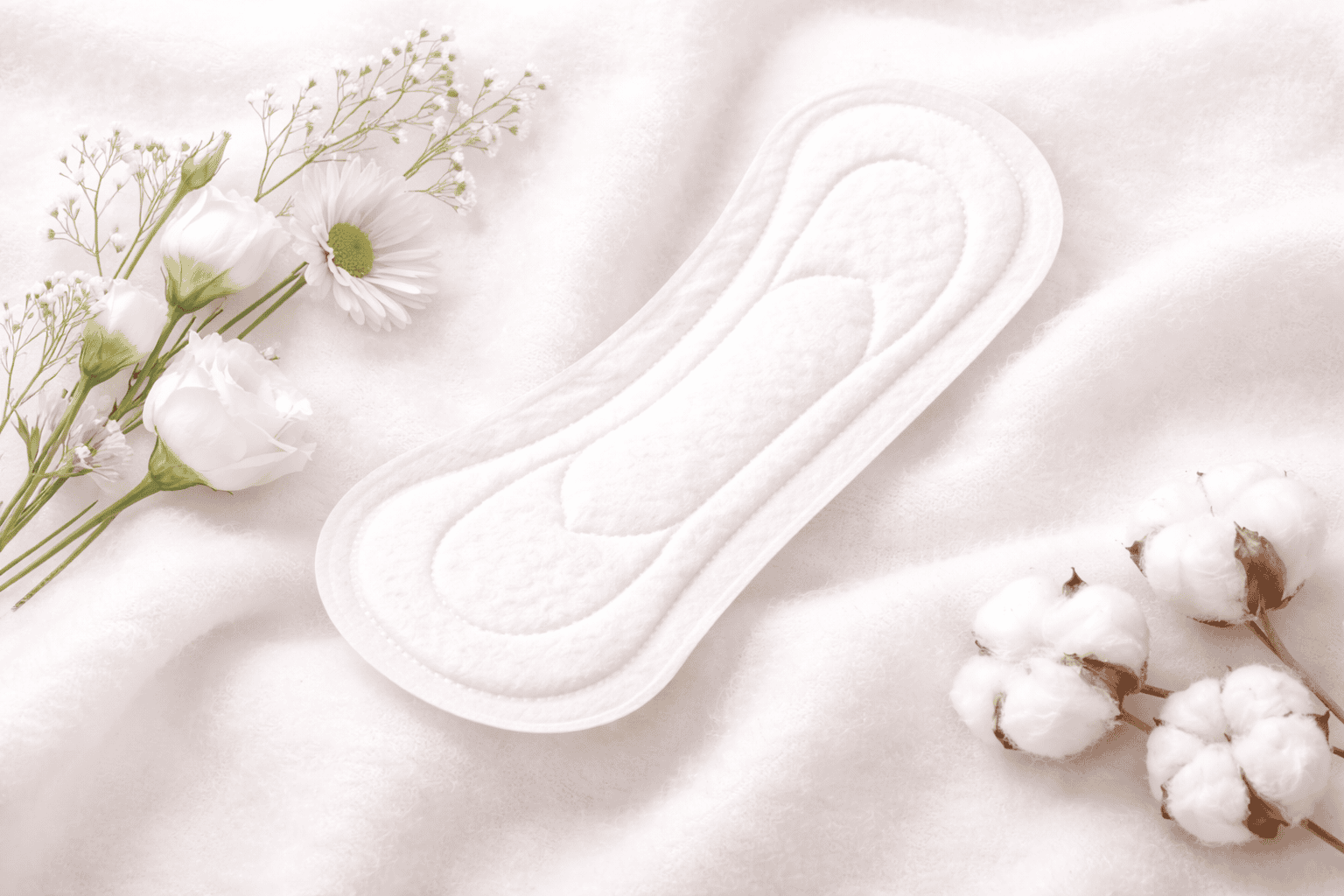
Expert Recommendation: Prioritize breathable materials. Cotton-soft pads like Prime Shield allow airflow, reducing the risk of rashes and infections during your cycle.
💜 Healthy Habits Start Here
Experience the confidence of Rash-Free protection.
- ✅ Hypoallergenic Top Layer
- ✅ Breathable Design (No Odor)
- ✅ Long-Lasting Dryness
Final Thoughts
The answer to "When can I get pregnant?" lies in your specific cycle. The window is generally Day 10 to Day 17. Understanding your body is empowering. Whether you are avoiding pregnancy or planning for a baby, rely on tracking and hygiene to stay healthy.
❓ Frequently Asked Questions
Q1: Can I get pregnant 3 days after my period ends?
Yes, especially if you have a short menstrual cycle (less than 28 days), ovulation can occur early.
Q2: How soon after ovulation can I take a pregnancy test?
It is best to wait until the first day of your missed period. Testing too early can result in a false negative.
Q3: Does clear discharge mean I am ovulating?
Yes, clear, stretchy "egg-white" cervical mucus is a strong sign of high fertility.
This content is for educational purposes only and does not constitute medical advice. Always consult a gynecologist for personal health concerns. This post contains affiliate links.