Best Sanitary Pads for Sensitive Skin in the USA: The 2026 Complete Comfort Guide
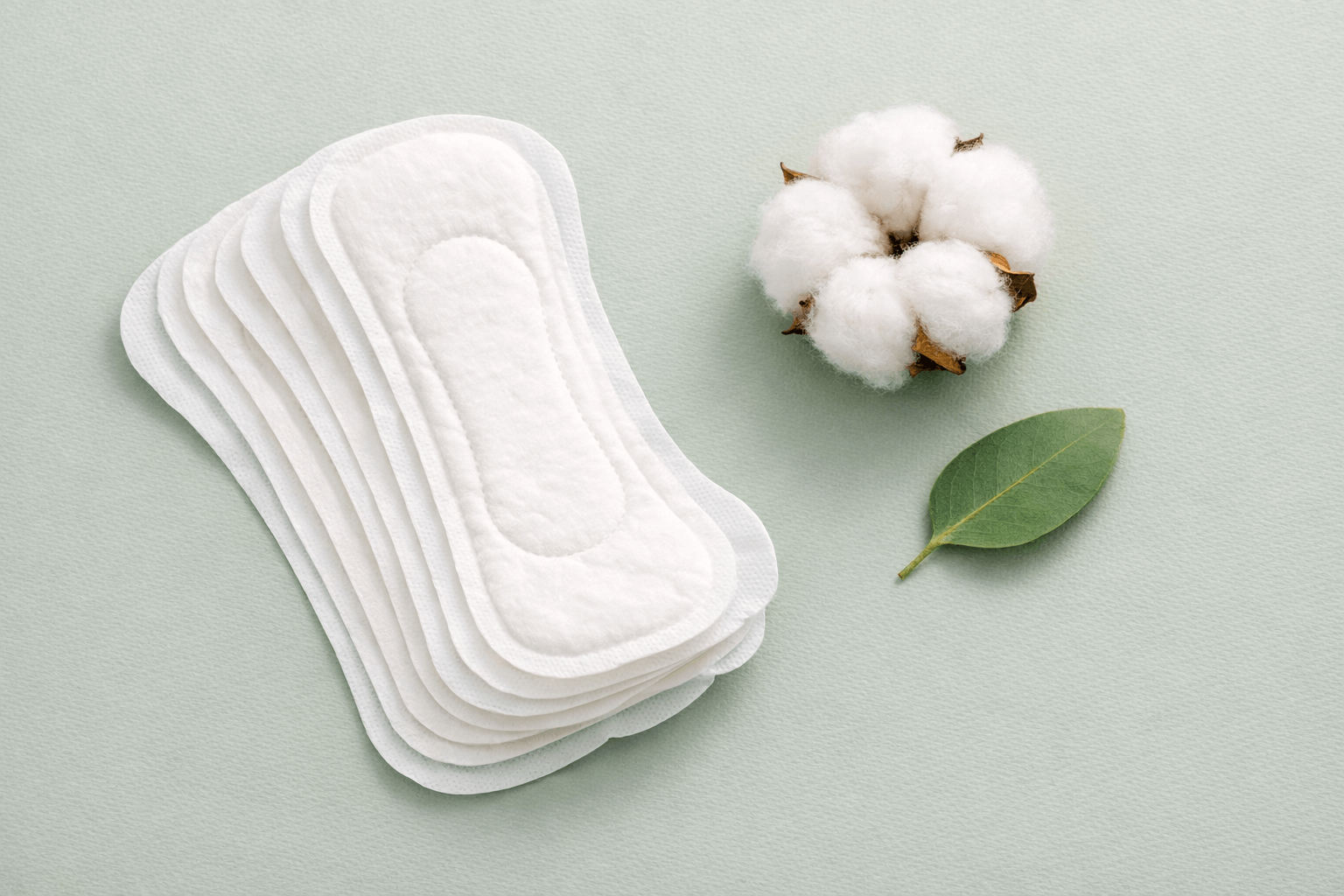
If you have sensitive skin, your period can feel like a monthly battle you didn't sign up for. It’s not just about the cramps or the mood swings—it’s the itching, the redness, and that localized "pad rash" that inevitably shows up by day two. For many women across the United States, this discomfort isn't actually caused by their period; it’s a reaction to the products they’re using.
The reality is that the "standard" pads found on most drugstore shelves aren't always designed with delicate skin in mind. Between synthetic fibers, mystery fragrances, and harsh adhesives, your skin is often working overtime just to stay calm.
This guide breaks down exactly how to navigate the aisles in 2026 to find the best sanitary pads for sensitive skin, what ingredients are total dealbreakers, and how to finally stop the cycle of irritation.
Why Your Skin "Hates" Certain Pads (The Science of Sensitivity)
The skin in the pelvic area is some of the thinnest and most absorbent on your entire body. During your cycle, hormonal shifts can make this area even more reactive. When you add the "big three"—friction, moisture, and heat—you have a recipe for contact dermatitis.
1. The Moisture Trap
Most conventional pads use a plastic-based top layer. While great for preventing leaks, plastic doesn't breathe. This creates a "microclimate" between your skin and the pad, where heat and moisture are trapped for hours. This environment is perfect for bacterial growth and skin maceration (when skin becomes soft and vulnerable from prolonged wetness).
2. The Friction Factor
Think about how many steps you take in a day. Each movement causes the edges of a pad to rub against your inner thighs and labia. If those edges are made of stiff synthetic materials or have sharp "leak guards," the mechanical friction leads to chafing and micro-tears in the skin.
3. pH Disruption
Your vaginal and vulvar area maintains a specific, slightly acidic pH to stay healthy. Traditional pads, especially those with fragrances or alkaline chemical residues, can disrupt this balance, leading to secondary issues like yeast infections or bacterial vaginosis (BV).
The 2026 Ingredient Blacklist: What to Avoid
In 2026, we have more data than ever on what goes into period products. If you have sensitive skin, these five things should be immediate "no-goes."
- 1. PFAS (The "Forever Chemicals"): A major focus in 2026 research, PFAS are often used in the moisture-proof backing of pads. These chemicals are linked to endocrine disruption and are easily absorbed through the skin. Look for brands that are explicitly PFAS-Free Certified.
- 2. Fragrances & "Odor Neutralizers": "Fresh Scent" is the enemy of sensitive skin. Fragrance is an umbrella term for hundreds of chemicals, including phthalates, which are known skin sensitizers. If a pad smells like a spring meadow, keep it away from your vulva.
- 3. Chlorine Bleaching: While the industry has moved away from elemental chlorine, some brands still use processes that can leave trace amounts of dioxins. ECF (Elemental Chlorine Free) is better, but not the best. TCF (Totally Chlorine Free) is the gold standard for sensitive skin.
- 4. Synthetic Top Sheets (Polypropylene/Polyethylene): These are essentially thin layers of plastic. They are common in "dry-weave" pads because they pull liquid in quickly, but they are the primary cause of heat-induced rashes.
- 5. Harsh Adhesives: If you’ve ever felt a "sting" when you remove a pad, it’s likely the adhesive. While the glue is on the back, low-quality adhesives can migrate or make the pad too rigid, causing it to "tug" at your skin as you move.
What to Look for: The "Perfect" Sensitive Pad Checklist
When you're browsing the period care aisle at Target, CVS, or Amazon, look for these specific green flags:
- 100% Organic Cotton Top Sheet: Ensure it says "100% organic cotton" and is GOTS (Global Organic Textile Standard) certified.
- Breathable Backsheet: Look for plant-based bioplastics (like corn starch) that allow airflow while staying waterproof.
- Hypoallergenic & Dermatologist-Tested: These labels indicate the product has undergone third-party testing for skin reactivity.
- Transparency: In 2026, the best brands list every ingredient on the box, not just the "active" ones.
Top Picks: Best Brands for Sensitive Skin in the USA (2026)
Based on customer feedback, dermatological safety, and ingredient purity, these are the standout brands this year.
1. Rael Organic Cotton Cover Pads
Rael has become a powerhouse in US drugstores for a reason. Their pads feature a 100% organic cotton top sheet and a highly absorbent, TCF wood pulp core. They are incredibly thin but hold a surprising amount of liquid, making them great for daytime use without the bulk.
2. Organyc (100% Organic Cotton Everything)
If your skin is extremely reactive, Organyc is often the answer. Unlike many brands that use a cotton top sheet but a wood pulp core, Organyc uses 100% organic cotton for the entire pad. They are incredibly soft and breathable, though they can be slightly thicker than "ultra-thin" versions.
3. Natracare
The "OG" of plastic-free period care. Natracare pads are compostable and completely free of plastics, fragrances, and chlorine. They are a staple for those who want zero chemical exposure.
4. Cora
Cora offers a sleek, modern design with a focused mission. Their pads are designed to move with the body, reducing friction. They use a GOTS-certified organic cotton top sheet and are free from all the major irritants.
5. Saathi (The Eco-Innovator)
If you’re looking for the cutting edge of 2026 tech, Saathi pads use banana fiber as an absorbent core. They are hypoallergenic, incredibly soft, and fully biodegradable.
How to Treat and Prevent "Pad Rash" at Home
Even with the best products, things can go south. Here is the 2026 protocol for dealing with irritation:
Immediate Treatment:
- The Oatmeal Soak: Add colloidal oatmeal (or finely ground plain oats) to a lukewarm bath. Sit for 15 minutes to calm inflammation.
- Barrier Creams: Use a thin layer of zinc-oxide-based cream (like a sensitive baby diaper cream) or pure coconut oil. These provide a physical barrier between the skin and the pad to stop further friction.
- Ditch the Soap: Use only lukewarm water to clean the area. Even "sensitive" soaps can strip the natural oils needed for healing.
Prevention Habits:
- Change every 4 hours: No matter how light your flow is.
- Sleep "Airy": At night, if your flow allows, switch to high-waisted cotton period underwear or go without a pad to let the skin breathe.
- Watch Your Laundry Detergent: Sometimes the "pad rash" is actually an allergy to the detergent used on your underwear, exacerbated by the moisture of your period.
The 2026 Environmental & Social Context
Choosing a sensitive-skin pad isn't just about your health—it's about the planet. A conventional pad can take 500 to 800 years to break down in a landfill. By choosing organic, biodegradable options, you’re preventing thousands of pounds of plastic waste over your lifetime.
Furthermore, 2026 has seen a surge in Menstrual Equity legislation. States like New Jersey and California now require full ingredient disclosure on all period products sold. When you buy from transparent brands, you’re voting for a safer, more honest industry.
Frequently Asked Questions
Q: Can I use baby wipes to stay clean during my period?
A: Use caution. Many baby wipes contain "masking fragrances" or alcohols that can sting irritated skin. If you must use a wipe, look for "WaterWipes" or brands specifically labeled for vulvar use.
Q: Are "unscented" pads the same as "fragrance-free"?
A: No. "Unscented" products may contain chemicals to mask the smell of other ingredients. Always look for "Fragrance-Free".
Q: Does weight or activity level affect pad rash?
A: Yes. Increased sweating and skin-on-skin friction (especially in the inner thighs) can worsen irritation. If you're active, look for "flex-fit" pads that are designed to minimize shifting.
Q: Why do I only get a rash on day 3 or 4?
A: This is usually due to "cumulative irritation." Your skin barrier has been weakened by several days of moisture and friction. Switching to a lighter, more breathable liner on light days can help.
Final Thoughts: Comfort Should Be Standard
Your period is already a physical and emotional tax; it shouldn't be a dermatological one. By prioritizing breathability, choosing organic materials, and being ruthless about ingredient lists, you can reclaim your comfort.
Find the Top-Rated Sensitive Skin Products on Amazon
- Always Radiant Feminine Pads for Women, Flexfoam Pads with Wings, Size 2, Heavy Absorbency, Lightly Scented, 78 Count
- Attn: Grace Heavy Plus Incontinence Pads for Women, 28-Pack - Plant-Based, High Absorbency, Breathable
- L. Ultra Thin Pads for Women, Super Absorbency, Organic Cotton Top Layer, Unscented Pads with Wings, 96 Count
- EcoBlossom Reusable Menstrual Cup Set - Medical Grade Silicone Period Cups (Small & Large)
- Diva Disc - Comfortable, Reusable Menstrual Disc with Leakproof Shield - 100% Medical Grade Silicone
- Nutricost Omega 3 Fish Oil - 2500MG, 120 Softgels - Wild Caught! Non-GMO, Gluten Free